Why You Need Professional Mold Removal Near Me for a Healthier Home
If you have ever spotted a patch of fuzzy black growth in a damp corner of your basement or caught a musty whiff every time you open a closet door, you already know what I am about to say: mold is not just an eyesore. It is a signal that something in your home is out of balance. Over the years I have worked on countless water damage restoration projects, and I have seen the same pattern play out again and again. A small leak gets ignored, humidity builds up, and before long mold spores have colonized a patch of drywall or settled into attic insulation. That is when homeowners start typing "mold removal near me" into a search bar, hoping for a quick fix. The truth is that effective mold removal is rarely quick, and it is almost never a do-it-yourself job if you want the problem gone for good.
Understanding What You Are Dealing With
Mold is a living organism, and it thrives on moisture. The EPA estimates that indoor air quality problems often start with unchecked dampness, and mold is one of the most common culprits. When you see black mold on a wall, you are looking at the surface colony. What you cannot see is the network of hyphae creeping into porous materials like drywall, wood, and attic insulation. Some species, like Stachybotrys chartarum, produce mycotoxins that can trigger asthma attacks and other respiratory issues. Even if you are not allergic, breathing in mold spores day after day can irritate your sinuses and leave you feeling run down. That is why searching for "mold removal near me" is not about aesthetics. It is about protecting the health of everyone in your home.
Why Bleach and Home Remedies Often Fall Short
I have lost count of how many people tell me they tried scrubbing mold with bleach. It is a natural first instinct. Bleach is cheap, it smells strong, and everyone has a bottle under the sink. But here is the reality: bleach is not effective on porous surfaces. It kills surface mold temporarily, but it does not penetrate drywall or wood. The moisture in the bleach can actually feed the mold deeper in the material. Worse, bleach fumes can irritate your lungs, which is exactly what you do not want if someone in the house has asthma or a mold allergy.
There are better DIY options for small, isolated spots. White vinegar, for example, is mildly acidic and can kill some mold species on non-porous surfaces. Tea tree oil and hydrogen peroxide also have antifungal properties. But these are stopgaps. Once mold gets into attic insulation or a crawl space, the material needs to be removed and replaced. No amount of scrubbing with tea tree oil will fix insulation that is saturated with mold spores. That is when you need a professional who understands containment, air filtration, and safe disposal.
The Real Cost of Cutting Corners
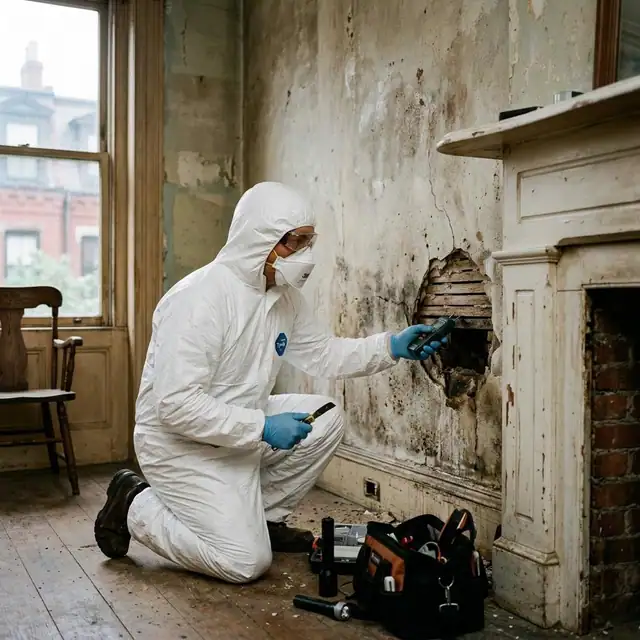
I once worked on a house where the homeowner had sprayed bleach on a mold patch in the bathroom ceiling every month for two years. The spot kept coming back because the real issue was a slow leak in the bathroom exhaust fan duct. By the time they called for help, the mold had spread into the attic insulation and down into the drywall of the adjacent bedroom. The repair bill was four times what it would have been if they had called a water damage restoration specialist right away. That experience taught me that mold is never just a surface problem. It is a system problem, and treating it without fixing the moisture source is like mopping the floor while the sink is still running.
What Professional Mold Removal Looks Like
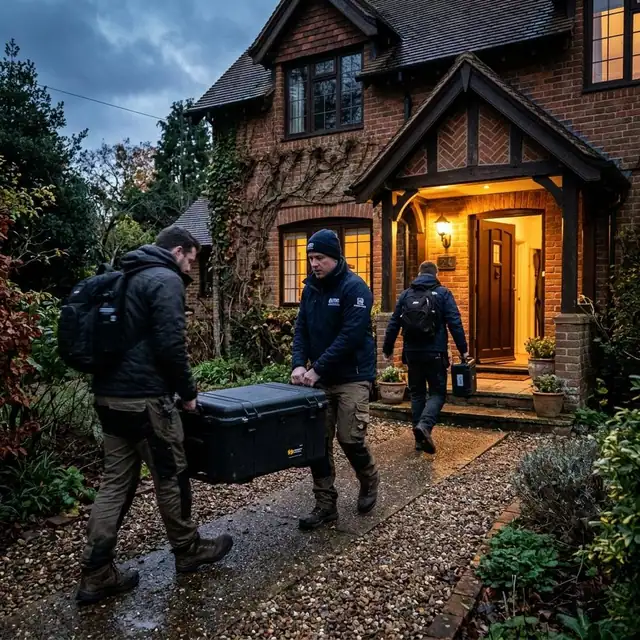
When you search for "mold removal near me" and hire a reputable company, the process should follow industry standards like those from the IICRC. A good crew starts with a thorough inspection, often using moisture meters and borescopes to find hidden damp spots. They set up containment barriers and use a HEPA vacuum to capture airborne mold spores before they can spread to other rooms. The affected materials are removed carefully and sealed in plastic. Then the area is cleaned with antimicrobial solutions and dried completely. Finally, the source of moisture is addressed, whether that is a leaky pipe, poor attic insulation, or a missing bathroom exhaust fan.
Many homeowners ask me if they should buy a mold testing kit first. The answer depends on what you want to learn. A mold testing kit can tell you what species are present, which is useful if you suspect Stachybotrys or another toxigenic mold. But a test kit will not tell you where the moisture is coming from or how deep the infestation goes. For that you need a professional inspection. Some companies include testing as part of their assessment, so it is worth asking when you call around.
Prevention Is Cheaper Than Remediation
The best way to handle mold is to never let it get started. That means controlling moisture at every possible entry point. In basements and crawl spaces, a dehumidifier can be a game-changer. Keeping indoor humidity below 50 percent starves mold spores of the water they need to grow. In bathrooms, a properly working bathroom exhaust fan that vents to the outside is essential. I have seen bathrooms with beautiful tile work and expensive fixtures that still had mold problems because the fan just recirculated humid air into the attic. That is a recipe for mold in attic insulation and eventually in the drywall below.
If you live in an older home, check your attic insulation for signs of moisture. Insulation can trap humidity against the roof deck, creating a perfect breeding ground for mold. In crawl spaces, a vapor barrier on the ground can prevent groundwater from evaporating into the air. Small fixes like sealing cracks in the foundation or extending downspouts away from the house also make a big difference.
Boric Acid and Other Targeted Treatments
For some specific situations, professionals use boric acid as a fungicide and insecticide. It is less common for general mold remediation, but it can be useful in crawl spaces where wood rot fungi or wood-boring insects are also present. Boric acid is low-toxicity to humans but persistent in wood, which makes it a good choice for treating structural lumber. That said, it is not a substitute for removing contaminated materials. Always follow the guidance of a certified remediation specialist rather than mixing your own treatments.
When to Call for Help
If you see a patch of mold smaller than a dinner plate and it is on a non-porous surface like tile or glass, you can probably clean it with white vinegar or hydrogen peroxide. But if the mold is on drywall, wood, attic insulation, or in a crawl space, call a professional. The same goes if you smell mold but cannot see it. That hidden colony could be releasing allergens and mold spores into your air every minute. And if anyone in your home has asthma, a weakened immune system, or a known allergy to mold, do not take chances. Search for "mold removal near me" and get a certified crew out as soon as possible.
I have walked through too many homes where a small moisture problem turned into a major health hazard because someone thought bleach and a rag would do the job. Mold is stubborn, but it is also predictable. Give it moisture and a food source, and it will grow. Take away the moisture, remove the contaminated materials, and clean the air with HEPA filtration, and you can reclaim your home. That is the difference between a temporary fix and a real solution.
Final Thoughts from the Field
Mold remediation is not glamorous work, but it is some of the most important work I have done. Every time I see a family move back into a home that smells fresh and looks clean, I know we made a difference in their quality of life. If you are reading this because you noticed a spot on your ceiling or a musty odor in your basement, do not ignore it. Take action. Whether you tackle a small spot yourself or call in a professional for a larger infestation, the goal is the same: a dry, healthy home where mold cannot take hold.
Corrections
Spot something wrong? Send it to the desk and it gets fixed in the open.